What Emergency Roof Repair Involves
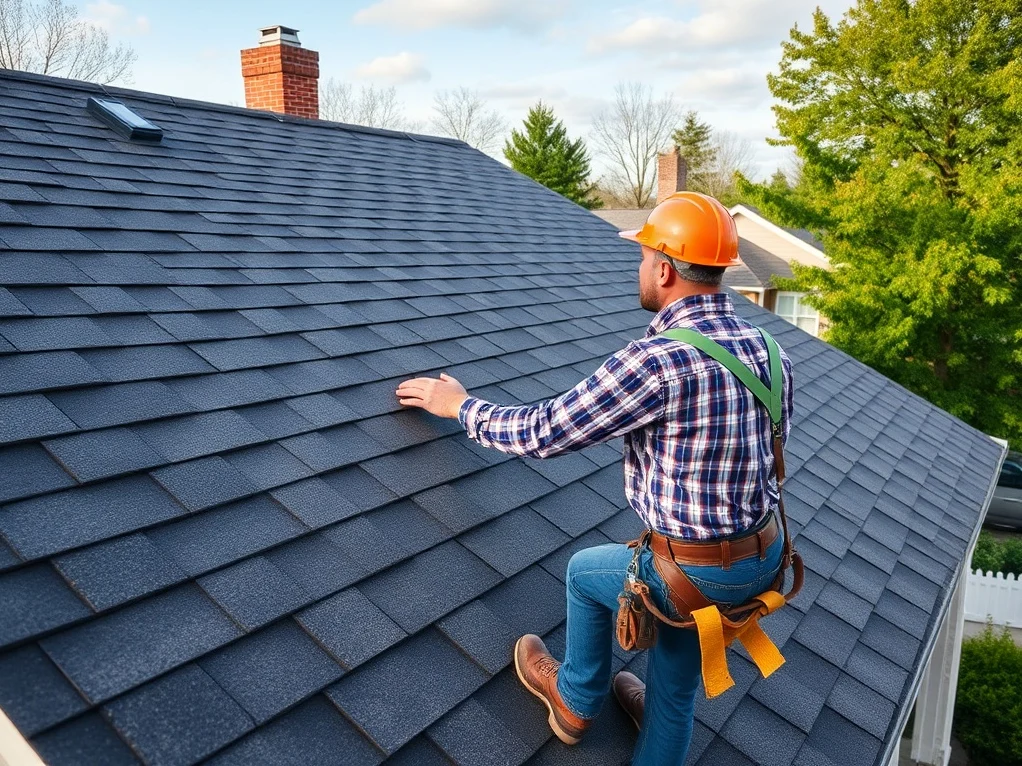
Emergency roof repair is the process of identifying active leaks, removing damaged materials, and installing temporary or permanent fixes to stop water intrusion on Minneapolis homes. When a storm tears shingles loose, ice dams back up water under your flashing, or a tree limb punctures the roof deck, emergency repair prevents that water from entering your attic and walls.
A licensed roofer assesses the damage from inside and outside your home. They locate the source of the leak—often higher than where water appears inside. They may install temporary tarping to protect your home until permanent repairs can be made, or complete a full repair in a single visit if the damage is isolated.
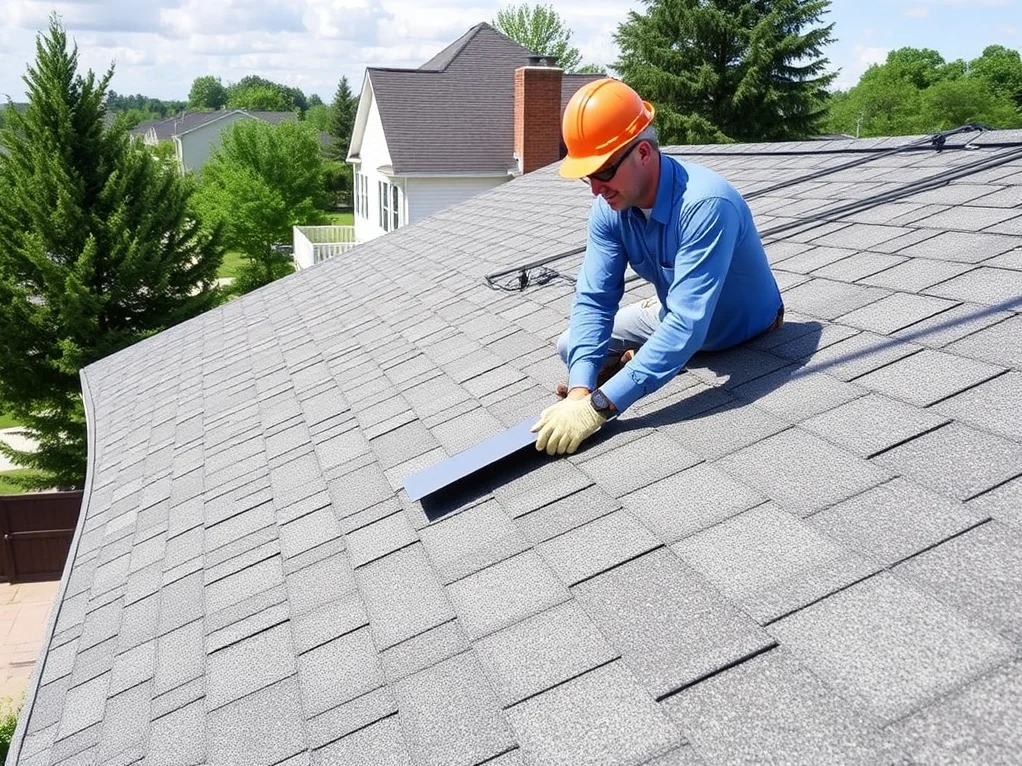
The repair itself varies by damage type. Torn shingles get replaced with matching material. Flashing that has separated gets resealed or reinstalled. Ice dam damage may require removal of ice buildup and installation of ice-and-water shield to prevent future backups. Punctures in the roof deck get patched and covered with new shingles.
When You Need Emergency Roof Repair in Minneapolis
Emergency roof repair becomes necessary after severe weather events common to Minneapolis and surrounding areas like Northeast, Uptown, and Longfellow. Heavy snowfall and ice dams create backups that force water under shingles. Late spring hailstorms puncture or crack shingles. High winds tear shingles loose or lift flashing. Rapid freeze-thaw cycles crack sealant and open seams.
You also need emergency repair when a tree branch falls on your roof during a storm, when you notice water stains appearing on your ceiling after rain, or when you spot missing shingles from your yard. Don't wait for the next rain to confirm the leak—water damage spreads fast through insulation and framing.
If your roof is older than 15 years and has sustained storm damage, emergency repair may be temporary. A Minneapolis roofing contractor can help you decide whether to repair or replace after assessing the full extent of damage.
How Much Emergency Roof Repair Costs
Emergency roof repair costs typically range from $300 to $1,500 for a single damaged section, depending on the size of the damage and materials needed. A few missing shingles and resealed flashing runs $400–$600. A larger area with deck damage or multiple shingles replaced costs $800–$1,200. Temporary tarping to protect your home until permanent repair can be scheduled runs $200–$400.
Same-day or after-hours emergency calls may include a service fee, but this protects your home from additional water damage that could cost thousands in mold remediation or structural repair. Most homeowner insurance policies cover storm damage after you pay your deductible.
Get a free estimate before any work begins. We'll inspect the damage, explain what needs to be done, and provide a clear price so you're not surprised.
The Emergency Repair Process
Step 1: Rapid Response
Call (612) 979-0693 immediately after discovering roof damage. We respond to emergency calls the same day, typically within 2–4 hours during business hours. For after-hours emergencies, we provide guidance on temporary protection.
Step 2: On-Site Inspection
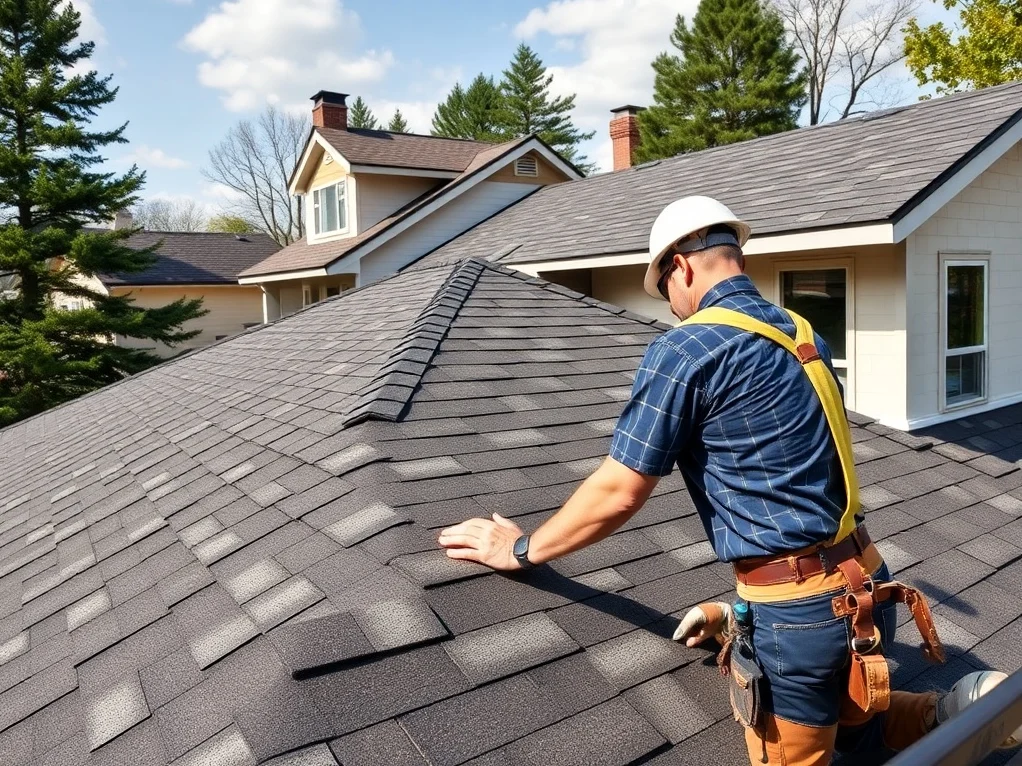
Our licensed roofer arrives with a ladder, safety equipment, and basic repair materials. They inspect the damage from both inside and outside your home, identifying where water is entering and how far it has traveled.
Step 3: Temporary Protection (If Needed)
If permanent repair will take longer than one day or weather is worsening, we install heavy-duty tarping to cover the damaged area. This prevents additional water intrusion while you arrange for full repair.
Step 4: Permanent Repair
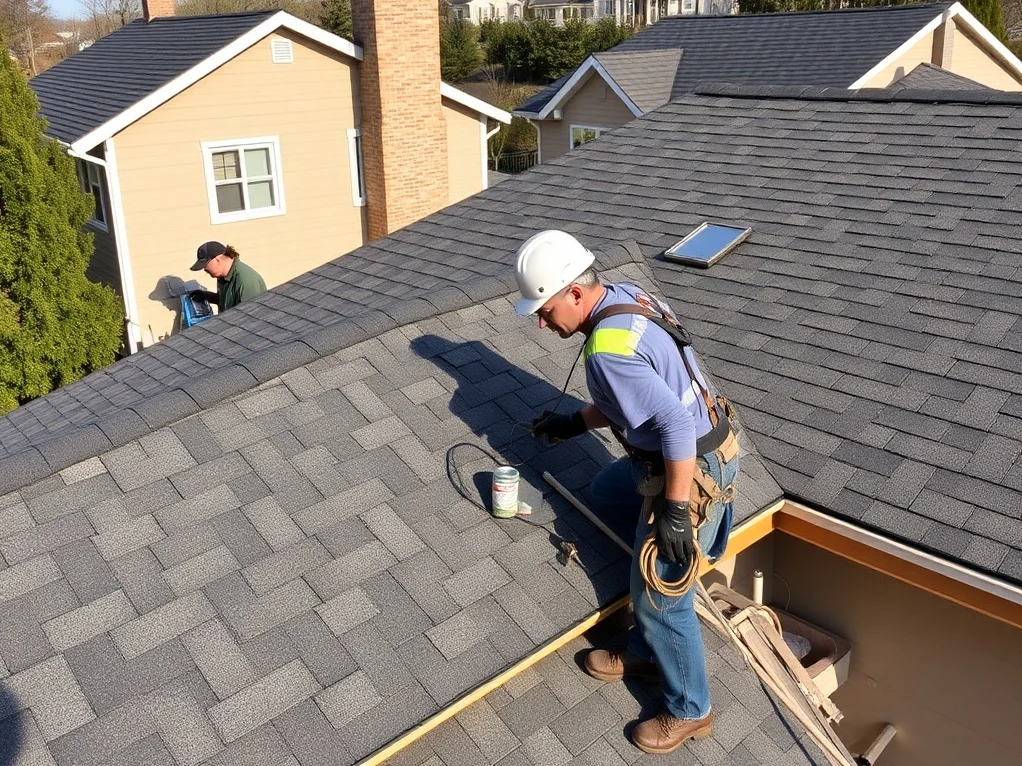
Once the full scope is clear, we remove damaged shingles, flashing, or underlayment and install new materials that match your existing roof. All seams are sealed. Fasteners are driven properly to prevent future leaks.
Step 5: Cleanup and Documentation
We remove all debris, haul away old materials, and provide photos and a written summary of the work completed. This documentation helps with insurance claims.
Why Timing Matters for Roof Repair
Water damage accelerates. A small leak into your attic can soak insulation within hours, reducing its R-value and allowing mold to grow. Within days, water reaches the framing and drywall below. Within weeks, structural rot begins and mold spreads through your home.
Emergency repair stops this timeline immediately. By sealing the leak on the day damage occurs, you avoid thousands in secondary damage. Your homeowner insurance is more likely to cover the original damage if you act fast and document the problem.
Delaying repair also exposes you to additional weather. Another rain event hits the same damaged area before it's fixed, driving water deeper into your home.
Storm Damage Repair After Hail or Wind
Hailstorms and wind events in Minneapolis leave visible damage: missing shingles, cracked shingles with exposed nail heads, dents in metal flashing, or lifted shingles where wind has peeled back the sealant. This damage isn't always urgent (no active leak yet), but it will become urgent after the next rain.
We inspect storm damage and repair it before it causes leaks. Cracked shingles get replaced. Lifted shingles get resealed. Missing shingles are replaced with matching material. Flashing is inspected for separation or corrosion.
If your roof sustained widespread damage from a major storm, we can help you file an insurance claim and coordinate repairs to get your home back in order.
Ice Dam Damage and Prevention
Ice dams form when snow on your roof melts (due to heat loss from inside your home), runs down to the cold overhang, and refreezes into a dam. Water backs up behind the dam and forces its way under your shingles and into your home.
Emergency repair for ice dam damage includes removing the dam, inspecting the underlayment and flashing for damage, and installing ice-and-water shield to prevent future backups. Long-term prevention involves improving attic insulation and ventilation so heat doesn't melt the snow in the first place.
If you live in Northeast Minneapolis, Longfellow, or North Minneapolis where older homes are common, ice dams are a regular winter threat. We can assess your roof's vulnerability and recommend repairs or upgrades.
Temporary vs. Permanent Repair Solutions
Temporary repair (tarping) is appropriate when permanent repair must wait due to weather, material availability, or scheduling. A heavy-duty tarp secured with wood battens and fasteners protects your home for weeks if needed.
Permanent repair replaces damaged materials with new shingles, flashing, or underlayment that match your roof's specifications. Permanent repair is always preferable once weather permits and materials are available.
We explain the difference and recommend the best approach for your situation. If your roof is near the end of its life, emergency repair might be the wrong choice—full replacement might make more sense financially.
FAQ: Emergency Roof Repair
How quickly can a Minneapolis roofing contractor arrive for emergency repair?
Emergency roof repair calls are prioritized and typically scheduled within 2–4 hours during business hours. Call (612) 979-0693 to confirm availability.
Will my homeowner insurance cover emergency roof repair?
Most homeowner insurance policies cover storm damage (hail, wind, fallen trees) after you pay your deductible. Damage from poor maintenance or age is typically not covered. We can help document the damage for your claim.
Can emergency repair be done in winter?
Emergency repair can be done in winter if temperatures allow shingles to be installed safely (typically above 40°F). Temporary tarping protects your home until permanent repair can be completed in spring.
What's the difference between emergency repair and roof replacement?
Emergency repair fixes isolated damage to stop active leaks. Roof replacement removes and reinstalls the entire roof system, typically necessary when the roof is old, damaged in multiple areas, or nearing the end of its lifespan.
Do you offer emergency repair on nights and weekends?
Yes. Call (612) 979-0693 to discuss after-hours availability. A service fee may apply for emergency calls outside business hours.